

A medical expert at the University College Hospital (UCH), Ibadan, Dr. Usman, has urged Nigerians to prioritise their kidney health and adopt preventive measures to reduce the growing burden of kidney related diseases.
Dr. Uthman, a Senior Registrar in the Department of Emergency Medicine at UCH and President of the Association of Resident Doctors in the hospital, made the call in Ibadan while speaking on the significance of the 2026 edition of World Kidney Day, marked globally on March 12.

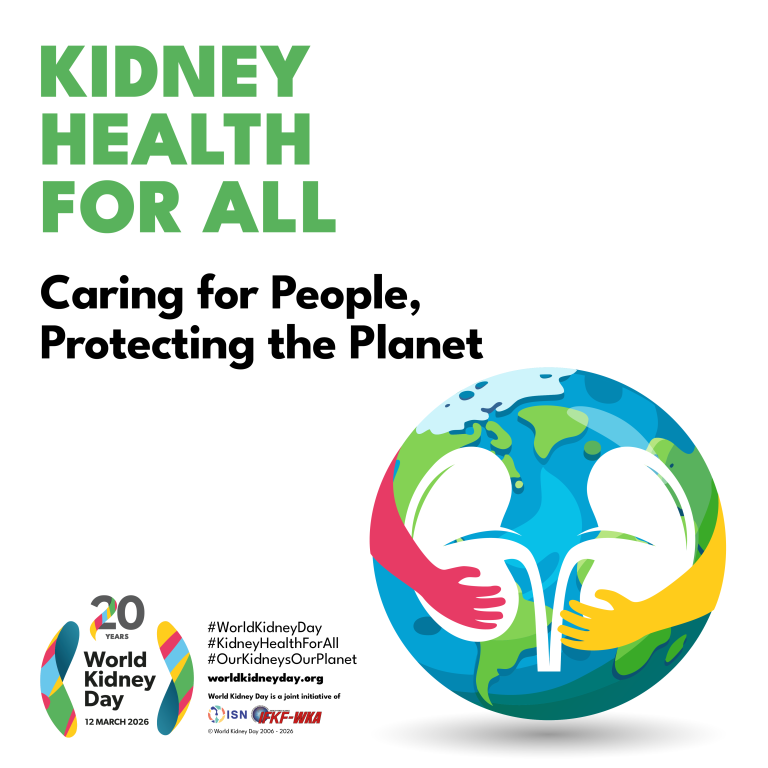
He said the 2026 theme, “Kidney Health for All: Caring for People and Protecting the Planet,” is aimed at raising awareness about kidney health and encouraging individuals to take proactive steps to protect their kidneys.
According to him, the kidneys are among the most vital organs in the body, receiving about 25 per cent of the body’s blood supply and playing a key role in filtering waste products and toxins from the bloodstream.
He explained that beyond detoxification, the kidneys perform several other critical functions, including the production of red blood cells through erythropoietin, regulation of blood pressure, maintenance of electrolyte balance, and support for bone health through the activation of vitamin D.
Dr. Uthman noted that kidney failure occurs when the organs lose their ability to properly filter and eliminate waste from the body.He listed symptoms associated with kidney failure to include general body weakness, fatigue, swelling in parts of the body particularly the legs, puffy face, reduced urine output, and changes in urine colour which may sometimes contain blood.
Other symptoms, he said, include persistent itching and, in severe cases, loss of consciousness caused by the accumulation of toxins in the body.
The medical expert identified uncontrolled hypertension and diabetes mellitus as major causes of kidney disease. He also mentioned other risk factors such as structural abnormalities including prostate enlargement that may obstruct urine flow, severe infections, excessive alcohol consumption, smoking, and the intake of herbal concoctions containing harmful substances.
He explained that kidney disease could be acute or chronic, depending on how long the condition lasts.
“Acute kidney failure develops within a short period, often less than three months, while chronic kidney disease occurs over a longer duration and may become irreversible if not properly managed,” he said.
Dr. Uthman advised individuals experiencing symptoms of kidney problems to seek medical attention promptly. He noted that doctors often carry out investigations such as urinalysis, blood tests to assess electrolyte, urea and creatinine levels, and ultrasound scans to evaluate kidney function.
He also urged people living with hypertension or diabetes to undergo routine kidney function tests every six months or annually in order to detect any complications early.
According to him, advanced kidney failure may require haemodialysis, a procedure that filters toxins from the blood when the kidneys can no longer perform their functions effectively.
He added that patients with end stage kidney disease may require kidney transplantation, although the procedure is often expensive and resource intensive.
Dr. Uthman stressed that prevention remains the most effective strategy, urging Nigerians to maintain healthy lifestyles, avoid harmful substances, and seek regular medical check ups to safeguard their kidney health.







, Ibadan, Dr. Usman, has urged Nigerians to prioritise their kidney health and adopt preventive measures to reduce the growing burden of kidney related diseases.)