

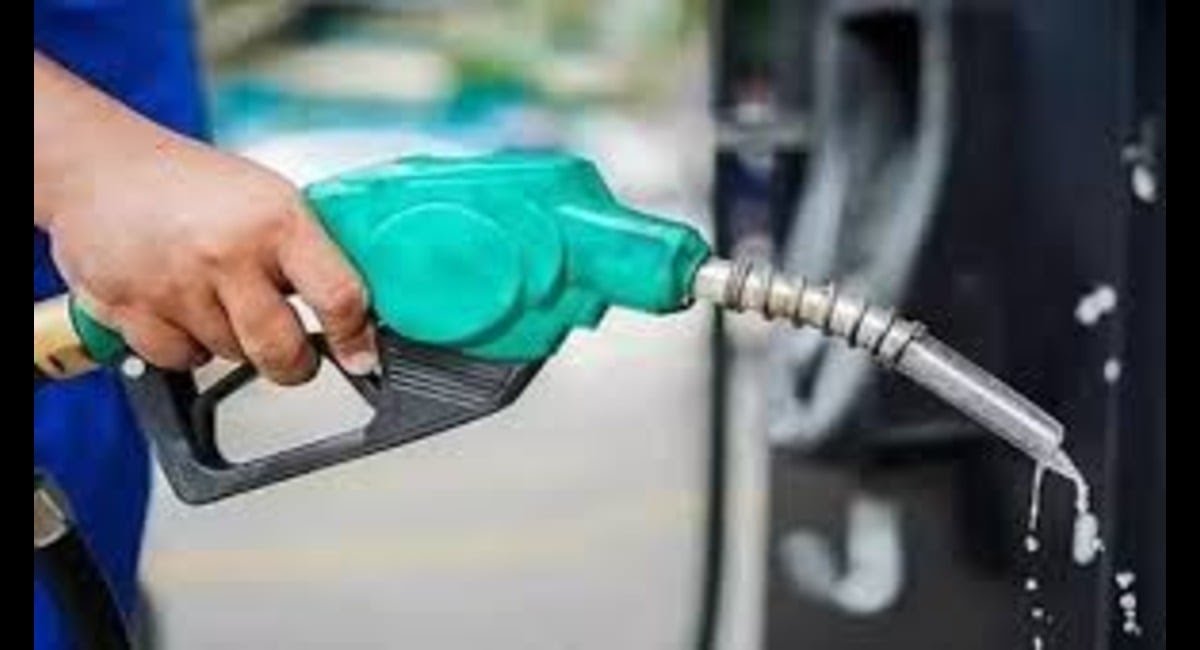
Rising fuel costs have continued to strain Nigerians, with the pump price of Premium Motor Spirit (PMS) climbing as high as ₦1,380 per litre in parts of Lagos and Ogun states. The sharp increase, which has occurred within a short period, is already triggering widespread complaints among commuters and vehicle owners.
The latest price jump represents a significant leap from figures recorded in February, when petrol sold for below ₦800 per litre in some locations. Industry watchers link the development to ongoing global supply disruptions, particularly tensions in the Middle East, which have pushed crude oil prices upward on the international market.
Motorists say the impact on their daily lives has been immediate and severe. Some private car owners are cutting down on usage, while others have resorted to alternative transport options to manage costs. A Lagos-based commuter noted that his fuel expenses for routine trips have nearly doubled within weeks, forcing a rethink of his daily movement.
Commercial transport operators have also adjusted fares upward, passing the burden onto passengers. Across major routes in Lagos, transport costs have surged significantly, with fares on some corridors nearly doubling compared to what obtained earlier in the year.
Market data indicates that global oil benchmarks have risen sharply, with crude prices crossing the $114 per barrel mark, the highest in recent times. The spike has been attributed to attacks on key energy infrastructure and escalating geopolitical tensions, which continue to disrupt supply chains.
espite the pressure, analysts note that local refining capacity—particularly from the Dangote refinery—has helped cushion the full impact of global price shocks by ensuring steady product availability. However, experts warn that Nigeria’s deregulated fuel market means domestic prices will remain vulnerable to fluctuations in global crude oil prices and foreign exchange rates.
With no subsidy regime in place, consumers are likely to continue bearing the brunt of international market forces, raising concerns about affordability and the broader cost of living.







 climbing as high as ₦1,380 per litre in parts of Lagos and Ogun states. The sharp increase, which has occurred within a short period, is already triggering widespread complaints among commuters and vehicle owners.)