

By Adedeji Kehinde
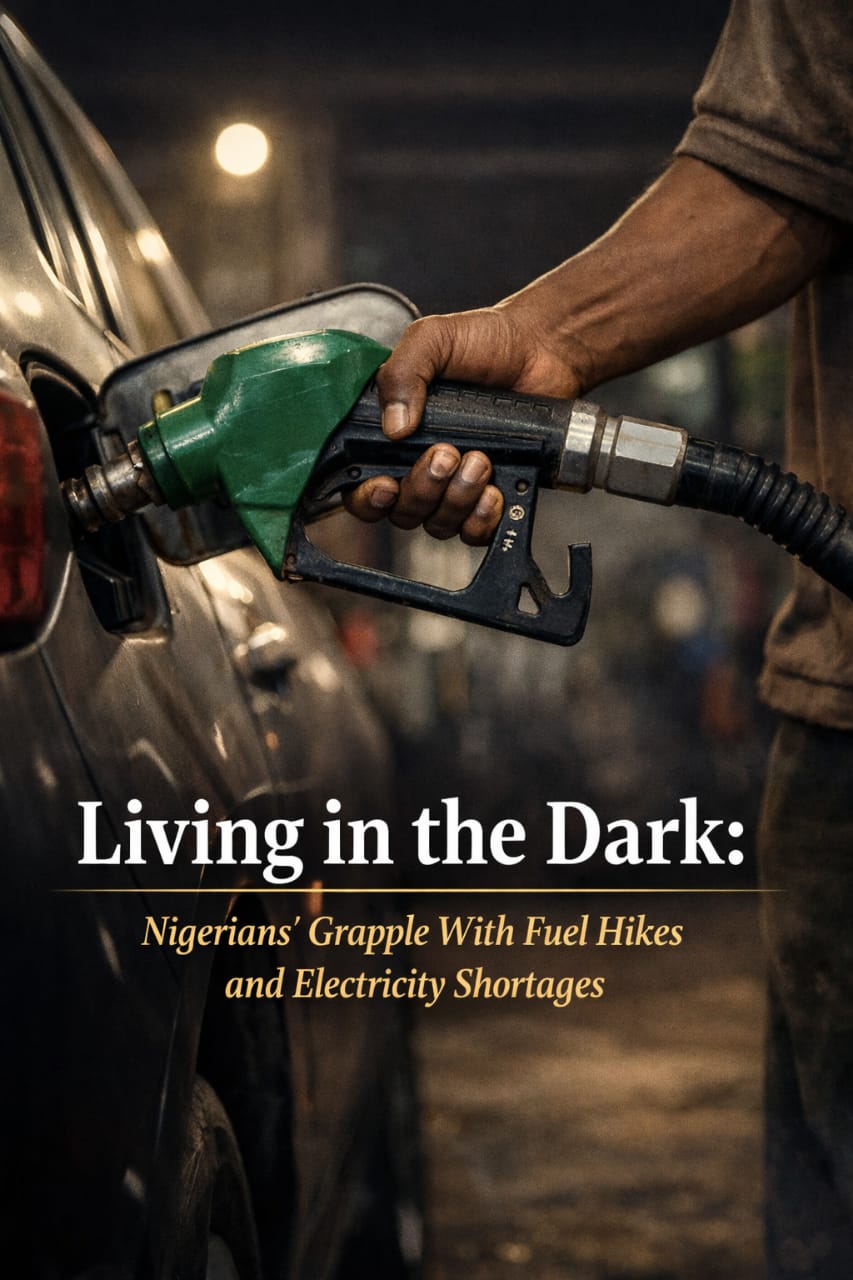
Nigeria has recently witnessed another significant increase in the price of Premium Motor Spirit (PMS), commonly known as petrol. The development has sparked nationwide debate and public concern due to its direct impact on the cost of living, transportation, and economic stability across many states in the country.
Despite being one of the largest crude oil producers in Africa, Nigeria still faces recurring fuel price increases due to structural challenges in the petroleum sector. The recent hike reflects deeper economic, political, and global market factors affecting the country’s energy supply.
For decades, the Nigerian government maintained a fuel subsidy system designed to keep petrol prices affordable for citizens. Under this system, the government paid part of the cost of importing and distributing fuel, ensuring that pump prices remained relatively stable and low.
However, in May 2023, President Bola Ahmed Tinubu announced the removal of fuel subsidy during his inauguration. The policy was introduced to reduce the heavy financial burden subsidies placed on government resources.
With subsidy removal, petrol prices became fully dependent on market forces such as global crude oil prices, foreign exchange rates, refining costs, and distribution expenses. As a result, petrol prices now fluctuate more frequently, often increasing whenever production or supply costs rise.
In early March 2026, Nigerians experienced another sudden increase in fuel prices across the country. The price adjustments were largely influenced by production and supply changes from the Dangote Refinery, one of the largest oil refineries in the world.
Within a short period, the price of petrol moved from around ₦774 per litre to nearly ₦1,000 before eventually surpassing ₦1,100 in some areas.
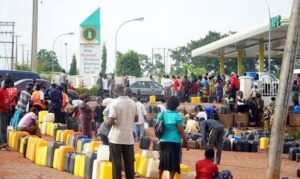
Fuel distribution outlets operated by the Nigerian National Petroleum Company Limited (NNPC Ltd.) and independent marketers also adjusted their prices to reflect the new cost of supply. The sharp increase has intensified economic pressure on households and businesses nationwide.
One of the primary drivers of the recent price hike is the increase in global crude oil prices. International oil prices have climbed above $100 per barrel due to geopolitical tensions and disruptions in global supply chains. Since petrol pricing in Nigeria is now linked to global oil markets, higher crude oil prices translate directly into higher fuel costs domestically.
The depreciation of the Nigerian naira against the United States dollar has as well significantly increased the cost of fuel production and importation. Many components involved in refining, logistics, and petroleum trading are priced in dollars. When the naira weakens, the landing cost of fuel rises, forcing marketers to adjust pump prices accordingly.
The recent fuel price hike in Nigeria reflects a combination of global market forces, domestic economic policies, currency depreciation, and changes in the structure of the petroleum industry.
While the removal of fuel subsidies was intended to strengthen Nigeria’s economy and reduce government spending, it has also created significant challenges for citizens already struggling with rising living costs.
Addressing these challenges will require a combination of economic reforms, investment in local refining capacity, improvements in energy infrastructure, and policies aimed at protecting vulnerable populations from the effects of rising fuel prices.
In conclusion, the continued rise in petrol prices has placed a heavy burden on Nigerians across the country. Many households are struggling to afford fuel for transportation, businesses, and generators, which remain a major source of electricity due to the country’s unstable power supply.
At the same time, shortages of gas needed for power generation have reduced electricity production, leaving many communities with even less access to reliable power.
As a result, citizens are caught in a difficult situation,unable to afford petrol while also lacking consistent electricity from the grid.
The combined effect has deepened economic hardship, with ordinary Nigerians bearing the greatest impact of rising energy costs and persistent power shortages.







, commonly known as petrol. The development has sparked nationwide debate and public concern due to its direct impact on the cost of living, transportation, and economic stability across many states in the country.)